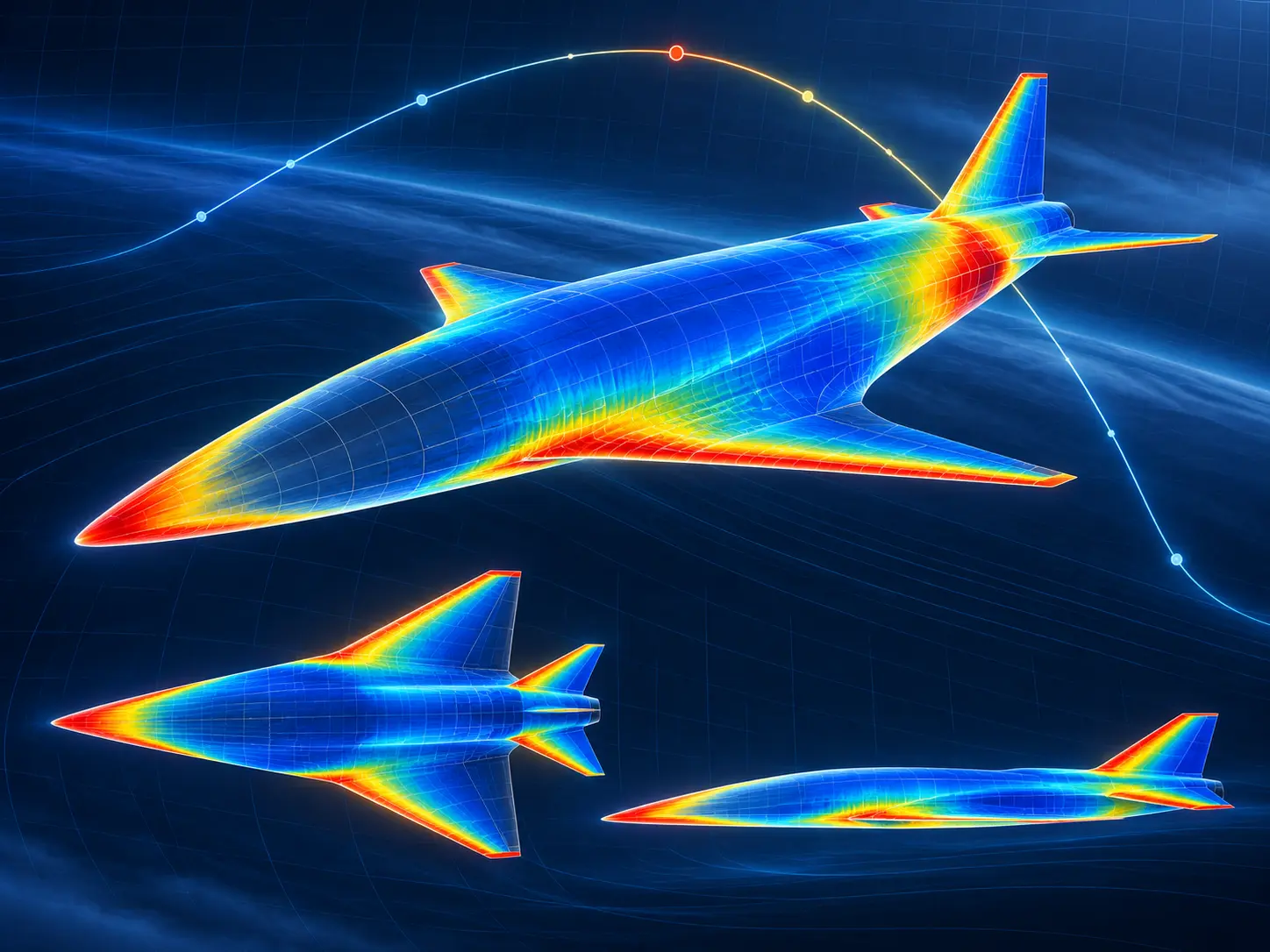
Target Models
Represent geometry, motion, temperature, spectral or radiometric signatures, orientation, and time-varying behavior appropriate to the analysis.
Targets • Sensors • Atmospheres
Connecting physical targets, sensor behavior, atmospheric effects, and mission geometry to predict performance and guide technical decisions.
End-to-end representation
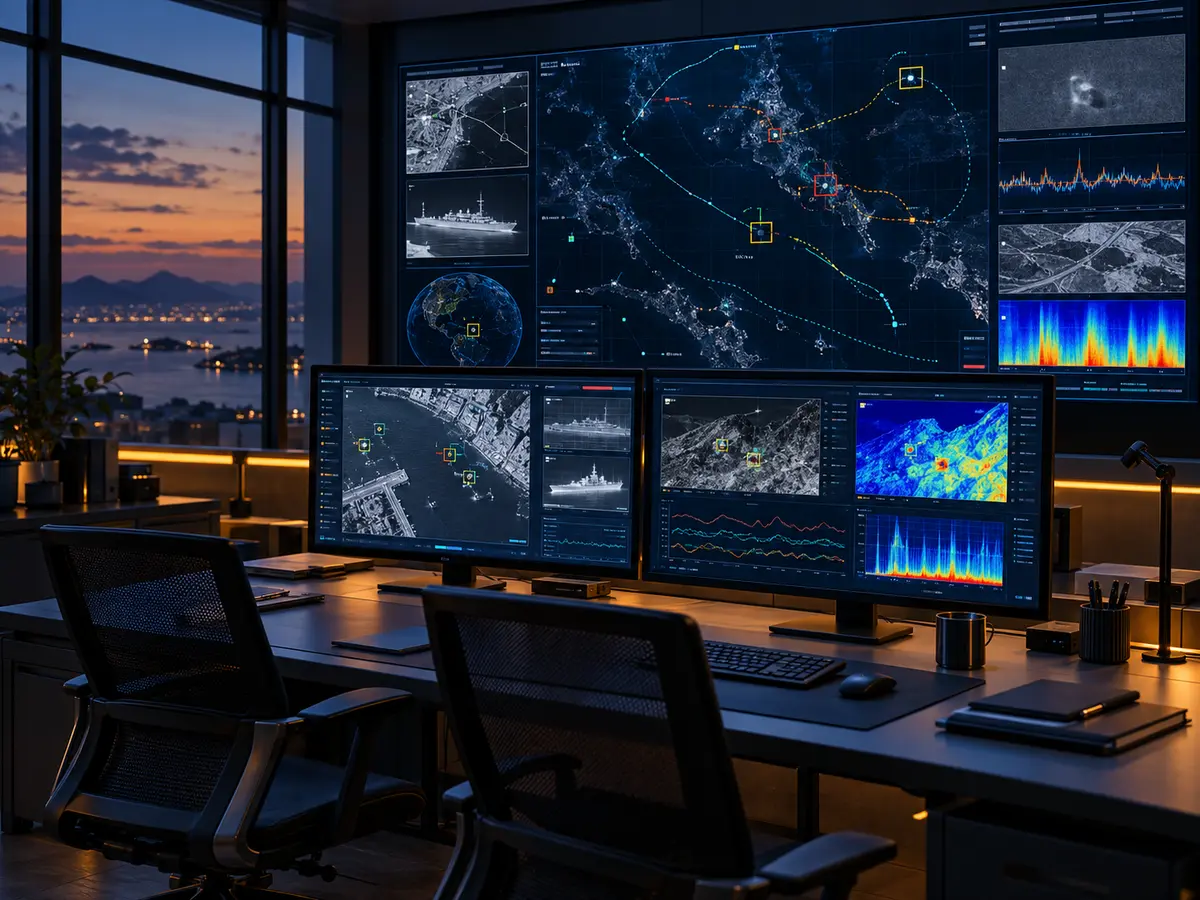
Useful simulation requires more than an isolated target or sensor model. Lightstorm combines target behavior and signatures with sensor response, viewing geometry, atmospheric transmission, backgrounds, noise, and operating conditions to represent the full problem.
Model components
Models can be used independently for focused studies or integrated into a common simulation to examine interactions and sensitivities across the system.
Represent geometry, motion, temperature, spectral or radiometric signatures, orientation, and time-varying behavior appropriate to the analysis.
Estimate field of view, sampling, detector response, optics, noise, pointing, resolution, image quality, and detection or tracking performance.
Account for wavelength-dependent transmission, path radiance, weather, altitude, range, and environmental conditions between the target and sensor.
Trade studies and custom tools
Parameter sweeps, sensitivity studies, uncertainty analysis, visualization, and purpose-built software tools help compare concepts, identify dominant effects, plan tests, and focus hardware development where it matters most.