Rapid Prototyping
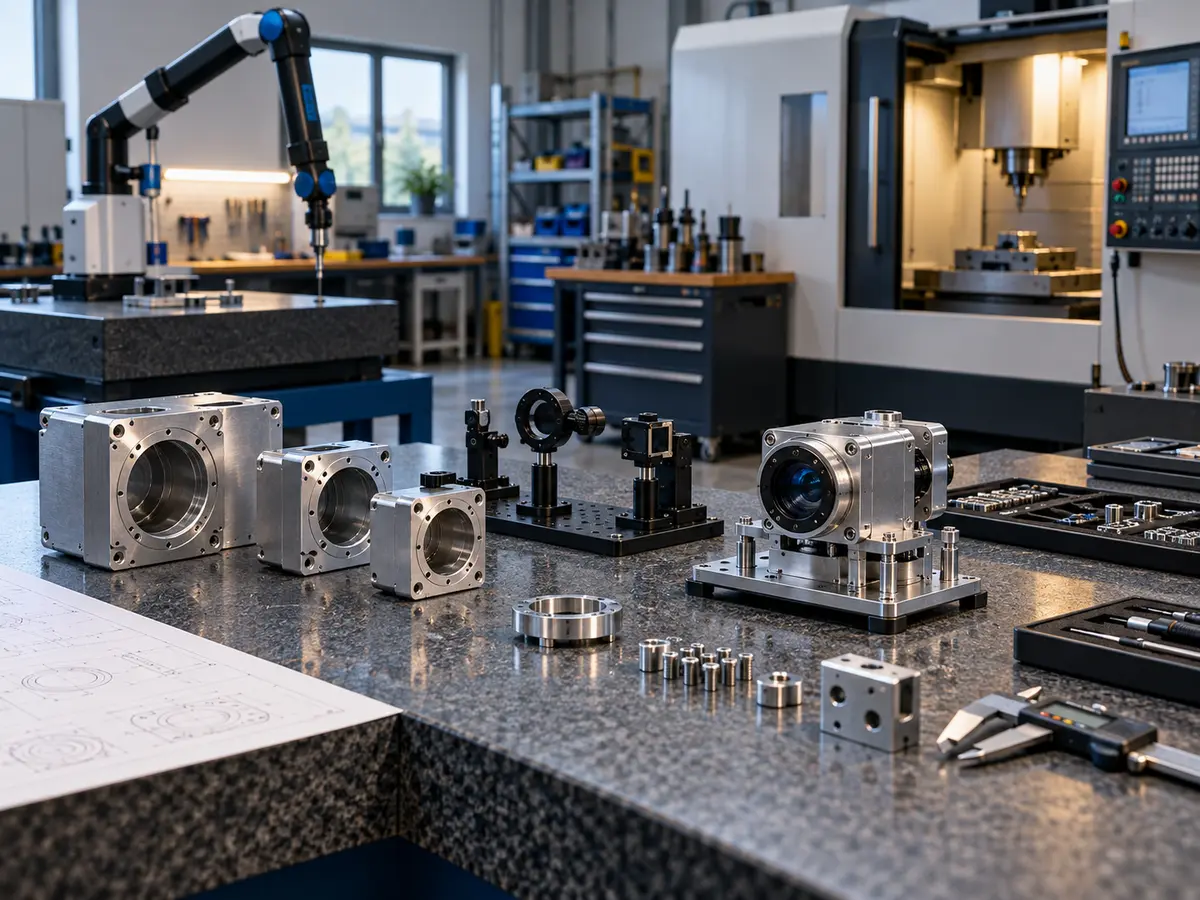
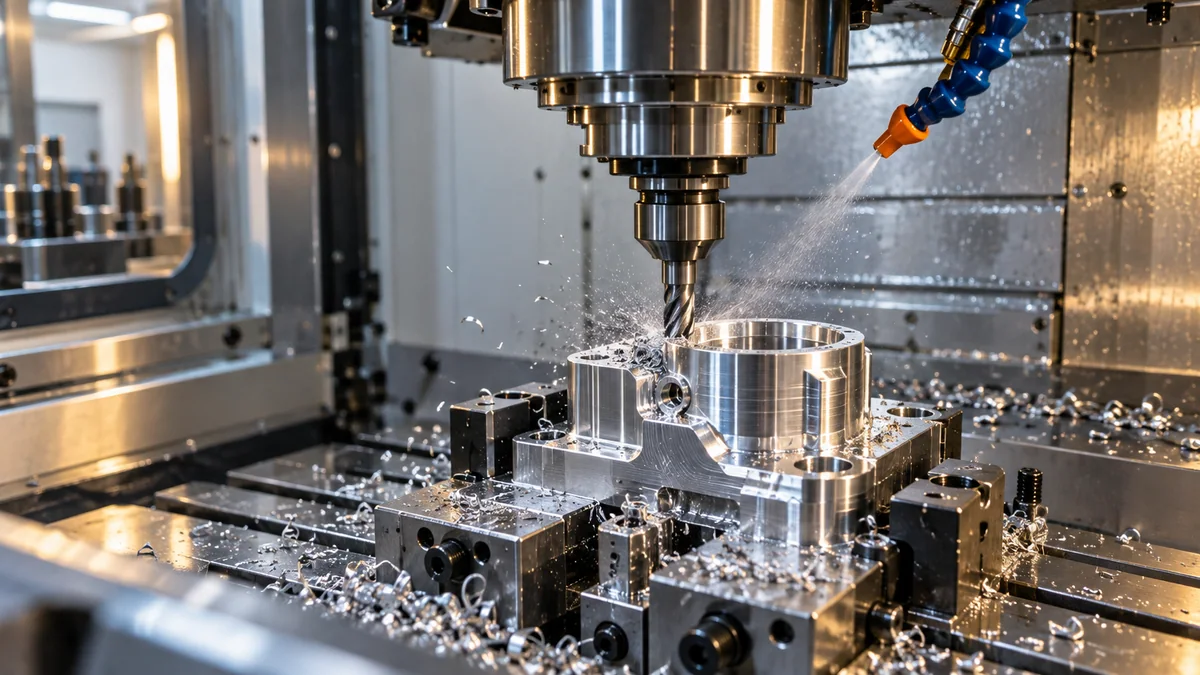
In-house 3D printing, laser cutting, CNC machining, assembly, and integration support fast form, fit, function, and field-test iterations before committing to final production hardware.
Design • Model • Build • Test
Integrated mechanical, thermal, electrical, and fabrication support for turning technical concepts into testable, field-ready systems.
Integrated development
Lightstorm combines analysis, design, fabrication, integration, and test within one technical workflow. Early models and prototypes expose risks before they become expensive, while close coordination between disciplines keeps the resulting hardware aligned with the mission.
In-house 3D printing, laser cutting, CNC machining, assembly, and integration support fast form, fit, function, and field-test iterations before committing to final production hardware.
Steady-state and transient thermal analysis helps estimate heat flow, temperature limits, environmental loads, cooling needs, and material performance before hardware is built or modified.
Custom analog, digital, power, sensor-interface, data-acquisition, and control circuitry supports instruments and prototypes that must operate reliably in laboratory and field environments.
Practical engineering
Engineering decisions are carried through fabrication and test so mechanical, thermal, electrical, optical, and software interfaces can be evaluated together.
Integrated systems
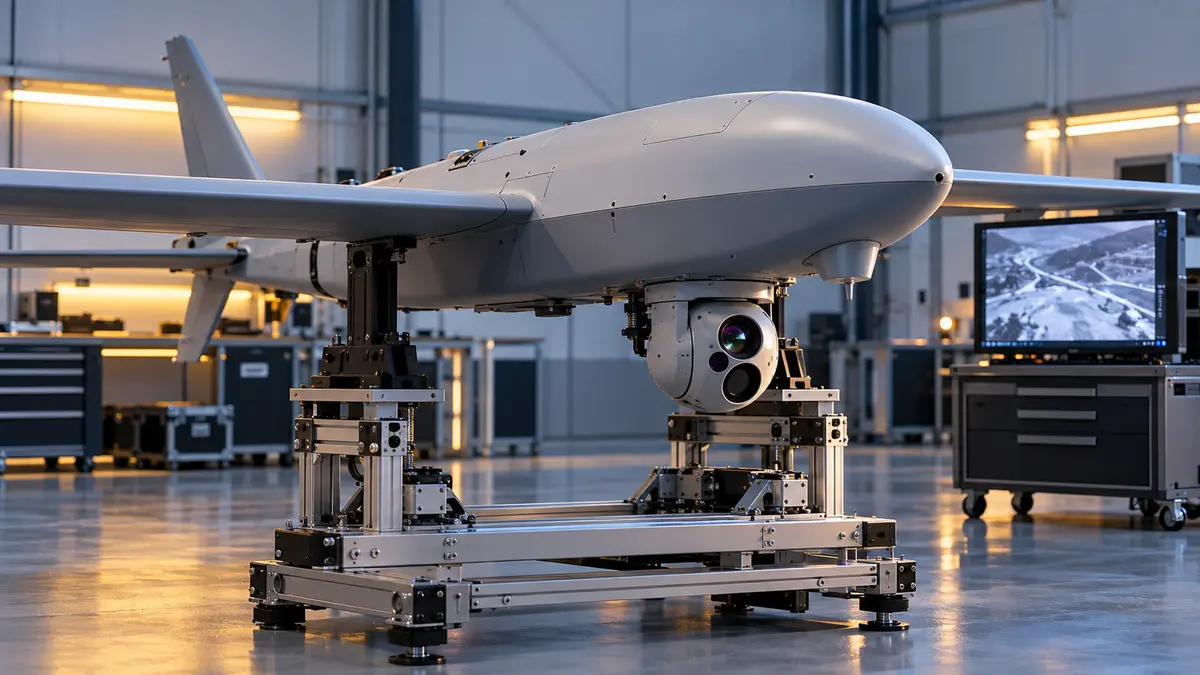
Lightstorm develops compact payloads and sensor packages that combine structures, electronics, thermal considerations, data acquisition, software, integration, and operational testing.
The same multidisciplinary approach supports camera systems, radiometers, telescope systems, targets, fixtures, and other purpose-built equipment tailored to specific collection and test needs.
Structural and thermal design
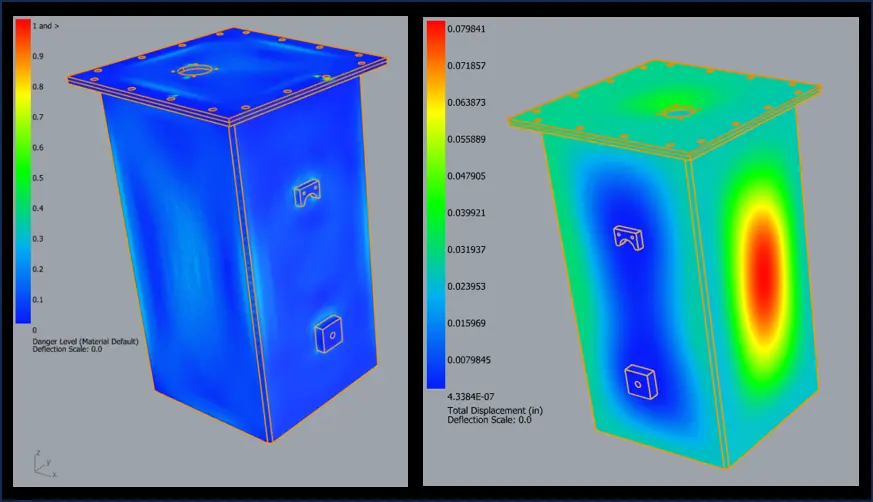
Systems exposed to demanding structural and thermal conditions must be designed as an integrated whole. We evaluate load paths, deflection, thermal gradients, material behavior, interfaces, and mounting geometry early enough to influence the design—not after hardware has already been built.
Analysis guides material selection, reinforcement, heat management, and component placement while accounting for shock, vibration, thermal expansion, optical alignment, and other performance-critical constraints. Prototyping and test then provide evidence for the next design iteration.